

Disclaimer: this article contains distressing information about trauma. If it concerns or triggers you, skip over the “here comes the horror story” section in the article.
Important: before purchasing any vagal nerve stimulation device, please do extensive research on the experiences of other users with similar backgrounds (i.e. goals and health concerns) and read this article. Stimulating the vagus nerve is a BIG deal and can be highly effective. Approach with caution, especially if you have a traumatic past.
On a scale of 1 to 10, how much did I scare you? Don’t worry; I’m ok and felt very excited to write this article. Long and full on, so if you wish to skip ahead, see my table of contents.
Backstory
Science Behind Pulsetto (and How it Works)
What I Loved About Pulsetto
What Frustrated Me About Pulsetto
Thoughts of Innovation
Should You Buy Pulsetto?
Road to Recovery
Backstory
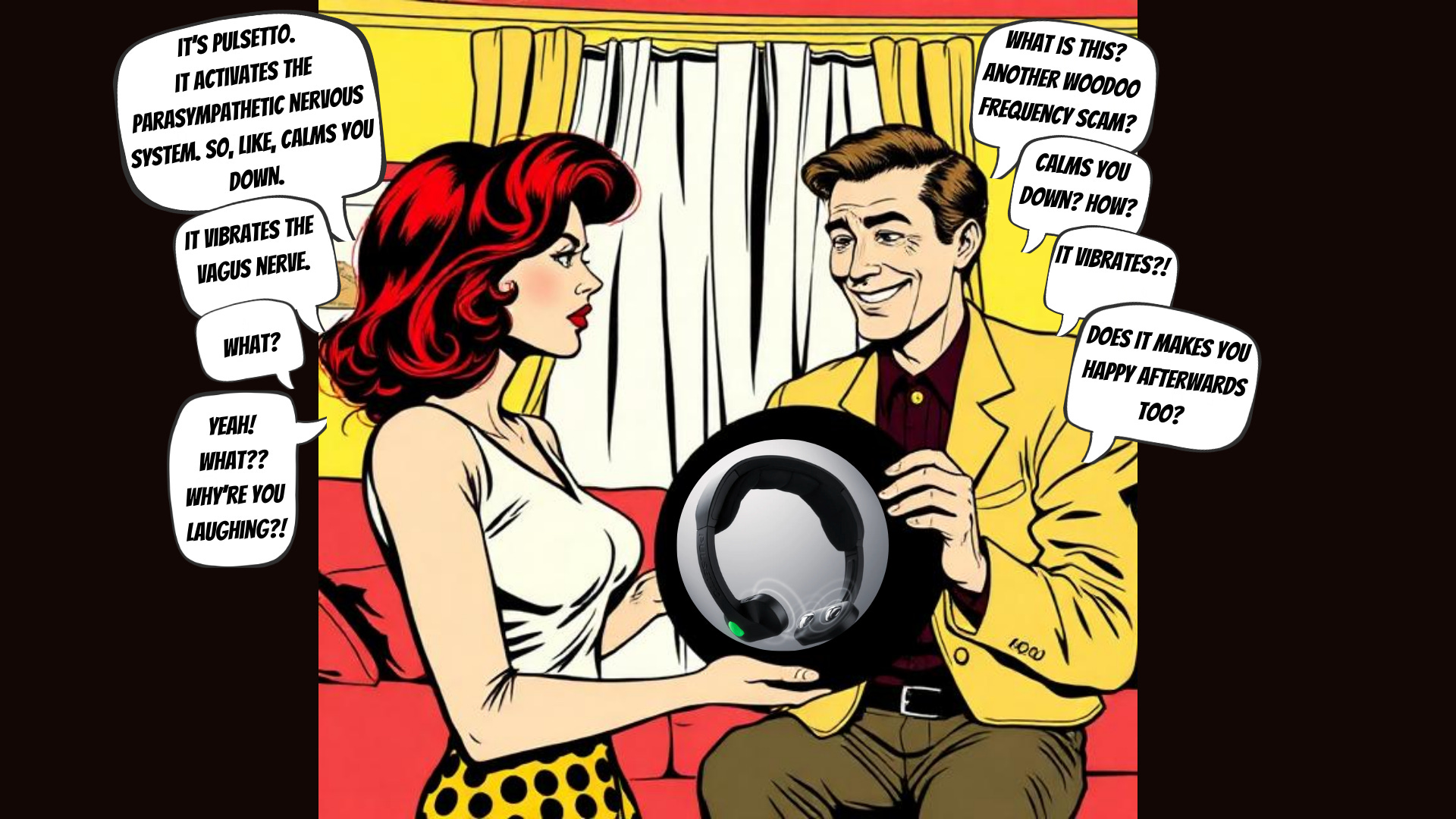
On my quest for uplifting HRV, I came across so many strategies and devices to experiment with, ranging from crystals to chants to magic carpets which send an electrical charge to your feet, and brain-stimulating, heart chakra-stimulating, vibrating tools to uplift your frequency of self-love — it’s a world of witchcraft out there! Despite being quite a spiritual person, I questioned my sanity a few times after seeing some suspicious tactics online.
I distinctly remember one morning when a YouTube sound recording was playing out ‘blessed frequencies’ as David (my partner) walked into the living room with his morning coffee.
…Soft female chants…
HIM: What is this strange sound?
ME: Frequencies.
HIM: What?
ME: It brings a state of calm and activates the parasympathetic nervous system.
HIM: It sounds disturbing.
VIDEO: Repeat after me.
HIM: Sounds like a cult.
VIDEO: I am vibrating at the frequency of love.
David almost choked on his coffee. The man coughed around for the next 3 minutes with a red face. The following few weeks, whenever he saw me wearing headphones, looking meditative, he asked, “are you vibrating?”
Jokes aside, there is a ton of pseudoscience when it comes to ‘healing the nervous system.’ It’s also very challenging to scientifically measure the impact of a lot of hypotheses about this topic. Think about it…what brings someone to a state of calm and safety may be different for another. Especially if you consider past traumatic experiences where everyday situations or items may have been associated with disturbing memories in the brain.
So, I knew that what works for me may not work for others (and vice versa), and I had to approach most things with a curious mind, even if they seem/sound a bit odd.
Pulsetto was a different case though. Years ago, I heard the company’s name mentioned on Bryan Johnson’s protocol and didn’t spend more than a minute thinking about it. During my extensive research, I came across the concept of ‘vagus nerve stimulation,’ which reminded me of the ‘polyvagal theory,’ and led me to investigate products in this field. There were a few, but it seemed like Pulsetto had the largest backing from scientific experiments, longevity experts, and customer reviews. So, I began my research.
Science Behind Pulsetto
Let’s start with the polyvagal theory.
A role of our nervous system is to respond to external stimuli, so we don’t die. The nervous system is the body’s communication network (via neurons), processing senses, feelings and coordinating ‘appropriate’ actions in our organs.
Example from the caveman times: you see a bear (senses) —> you feel intense fear (feeling) —> you run for your life and scream to call help (appropriate action).
Example from the modern man times: you see a cute girl approaching you (sense) —> you feel afraid to talk to her (feeling) —> you sweat, stutter and freeze (in….appropriate action???).
You get the point. If you’re wondering, how is this useful to the modern man, sometimes, it’s not. Most of us living in the Western world rarely face life-threatening situations that trigger us to enter the well-known ‘fight or flight’ state. But our nervous system still seeks to protect us from possible danger. It’s also not able to differentiate between ‘life-threatening’ situations and daily uncomfortable situations, hence the ‘bear’ in my earlier example became the ‘cute girl.’ Or public speaking for some people.
It’s fascinating that our nervous system sends signals to all of our organs; hence, the impacts of trauma or chronic stress can be measured on many organ systems.
Example: as a woman, if you are in constant danger, why should you get pregnant? You can’t raise a baby when you may die soon. Hence, women with chronic stress and eating disorders tend to lose their periods.
Example: in the small towns around the Mediterranean Sea, where people famously live over 100 years old, if you visit a doctor for chronic pain without any blood tests to provide a logical explanation, then you’ll most likely hear; “you just need to reeest and relaaaax, my friend. Go home and sleep, kiss your wife, hug your neighbour, and eat some biscotti. Don’t think too much! No good for you.”
While I am simplifying some things, it’s good to know examples of how the nervous system operates.
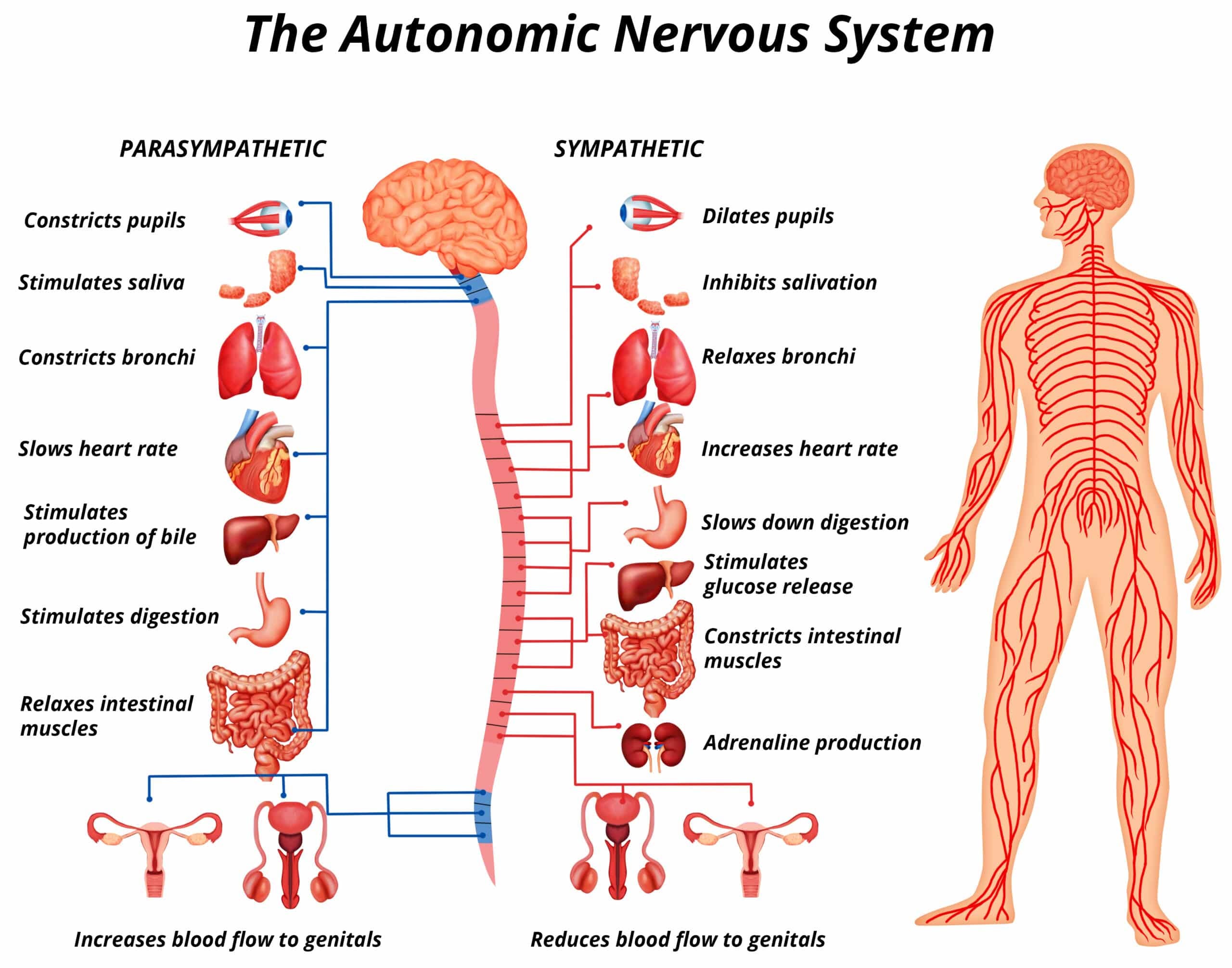
Unlike the common belief, we don’t just ‘fight or flight.’ We have evolved to function a bit more complex than that. Think of the polyvagal theory as ‘degrees of danger’ your body perceives to be in.
Ventral Vagal System: this is hopefully most of your day, when you feel safe, calm, playful and curious. This is a specific branch of the parasympathetic nervous system. “I am present” is the key signal circulated around your body.
Sympathetic System: fight with the threat, flight from the threat, or fawn to the threat. Fawn is similar to people pleasing. “I can overcome this threat” is the key signal circulated around your body. Hence, the three verbs involve an action.
Dorsal Vagal System: freeze with the hope that the threat won’t harm you (kind of like ‘playing dead’), or faint. Sometimes, freeze can appear as extreme disassociation — not hearing, noticing, or seeing things around you — staring at a blank space with minimal movement. This is a straining state to be in, and the key signal circulated around your body is, “I can’t; there is no escape.” Imagine finding yourself in a room with a serial killer when you have no weapons to protect yourself — it’s hopelessness. Consistently entering this system damages organs.
See below for more details.
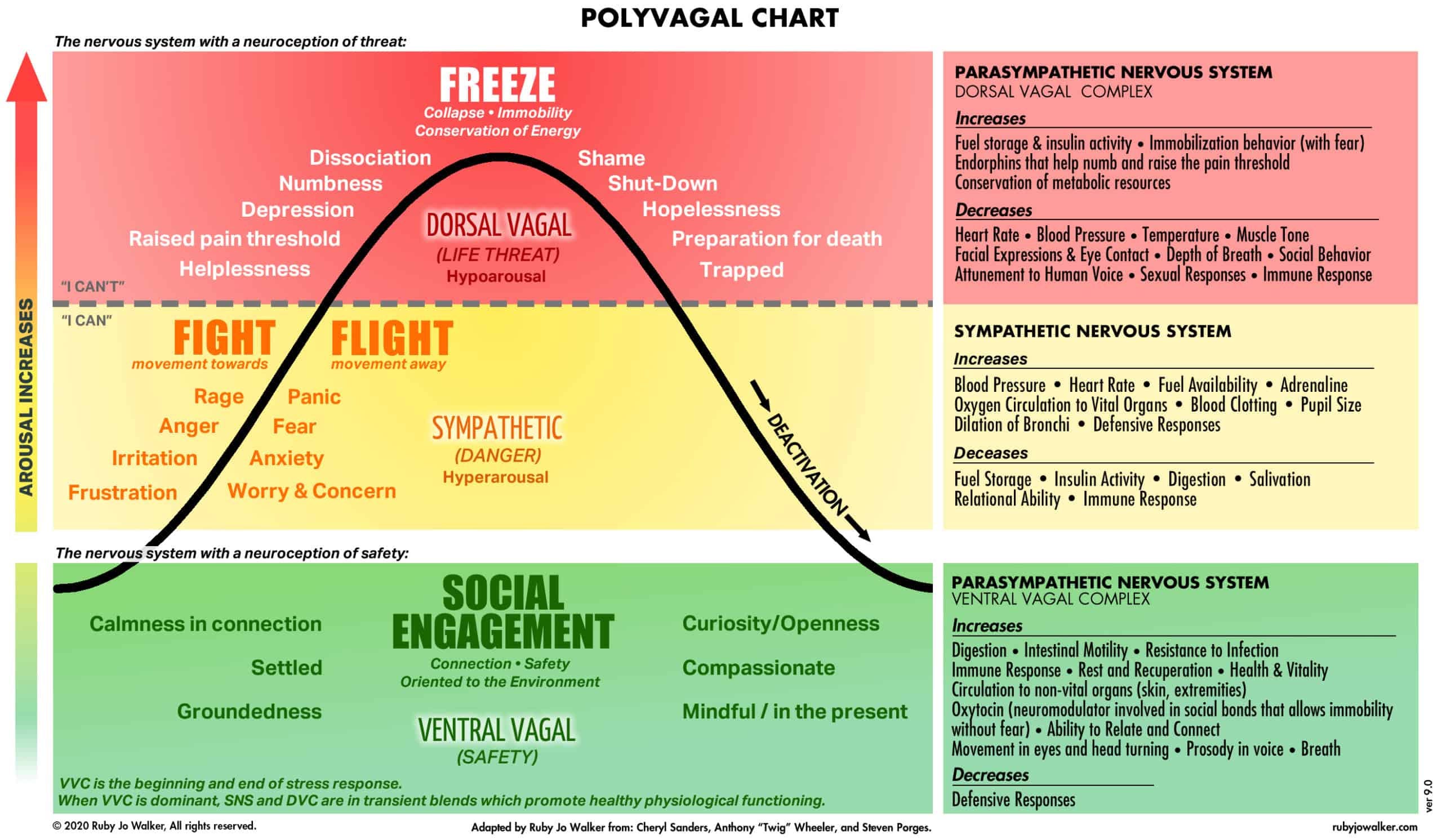
We have all experienced these 3 states several times in our lives. Unfortunately, some of us have experienced the extremities of the dorsal vagal system so much that their bodies have been trained to react in extreme ways even in standard day-to-day situations.
Yes, our nervous systems can be trained to react in specific states. Like our muscles, whichever system has been trained the most will be the strongest and overpower the other systems.
Example: if your parasympathetic nervous system has been trained very well and it’s in a healthy balance with your sympathetic nervous system, you’ll most likely be quite resilient to life’s challenges. Most of the time, you won’t be very reactive to issues, but instead, observant, curious and with a problem-solving attitude. Being grounded would be your default, and your HRV would be quite high.
Example: if your dorsal vagal system has been trained very well, your body’s default state would be to prepare for its death. When facing challenges, the body won’t try to engage the sympathetic nervous system; it won’t see the point in fighting, fawning or flight-ing. This includes physical challenges; people with chronic depression have a very difficult time building muscle and can easily get injured. These people generally have a very low HRV, somewhere between 10 - 30 (assuming they are relatively fit, have relatively healthy habits and are younger than 40).
Everyone knows one person in their workplace who is a constant people pleaser; their nervous system has been trained to associate saying ‘no’ with ‘danger.’ For some of us, that’s crazy to imagine and saying ‘no’ is a very natural reaction. While growing up, those people had their nervous systems trained differently. Our parents (mostly), school experiences, friends and the culture of the country we grew up in shape how our nervous system responds to different stimuli.
I hope you’re not feeling gloomy, because our nervous system can be retrained. Depending on your background, ice baths, therapy, box breathing, meditation, adaptive memory forming, and some other methods can assist with retraining how your nervous system responds to external stimuli. Pulsetto is one of these tools.
If I haven’t made it clear enough, having a healthy nervous system won’t just help you to enjoy life better; it will also help you to form healthy relationships with others, regulate your hormones, protect your immune system, avoid injuries and chronic pain. On the other hand, having an unhealthy nervous system will dramatically increase your speed of aging (from inner organs to how fast your hair whitens and falls), chances of chronic pain and disease. Important stuff!
How does Pulsetto work?
How does a device stimulate your nervous system?
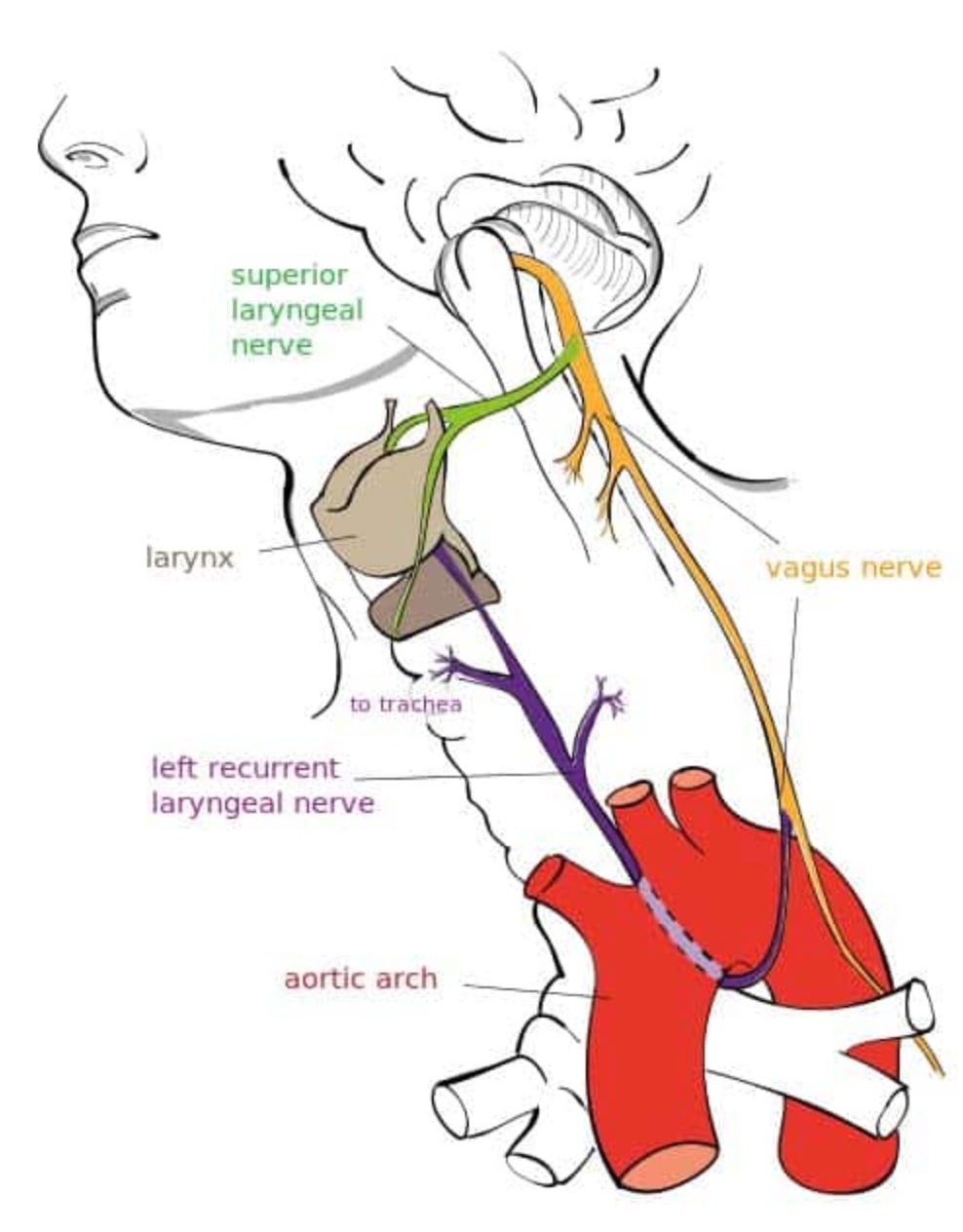
Firstly, vagus nerve stimulation is not a new concept. In fact, humans have been practising vagus nerve stimulation techniques for centuries. The image below shows how accessible the vagus nerve is — connects from the brain stem (controls survival instincts/reflexes) and passes through our necks.
Some traditional ways to vibrate the vagus nerve:
Chanting and humming (not like TS’ “Shake It Off,” but more like Mei-lan’s chants)
Gargling
Acupuncture
Deep breathing
Massaging the neck
Cold exposure/ice baths
Eye movements (hence, the effectiveness of EMDR as a therapy)
Pulsetto delivers electrical impulses to the vagus nerve in specific patterns to aid specific conditions like anxiety, chronic stress, burnout, chronic pain, and sleep challenges. These electrical impulses nudge or stimulate the parasympathetic nervous system, so the user can enter a calm state. In the long run, by consistently activating the parasympathetic nervous system, the user will train and strengthen this system over the sympathetic nervous system for a healthier balance. This also leads to an increased HRV.
There is a lot of promising research to show which patterns of stimulation impact which condition, hence Pulsetto has ‘modules’ for anxiety, stress, burnout, chronic pain, sleep, inflammation and gut health. See the image below. That being said, most published studies in this field typically involve small samples (i.e. 20-50 people), short durations (i.e. 4 weeks) and subjective scales of results (i.e. asking users how they felt, rather than a numerical measure). Transcutaneous vagus nerve stimulation products (in general, not just Pulsetto) are learning a lot from their customers and iterating along the way. In short, this is a newly developing field.
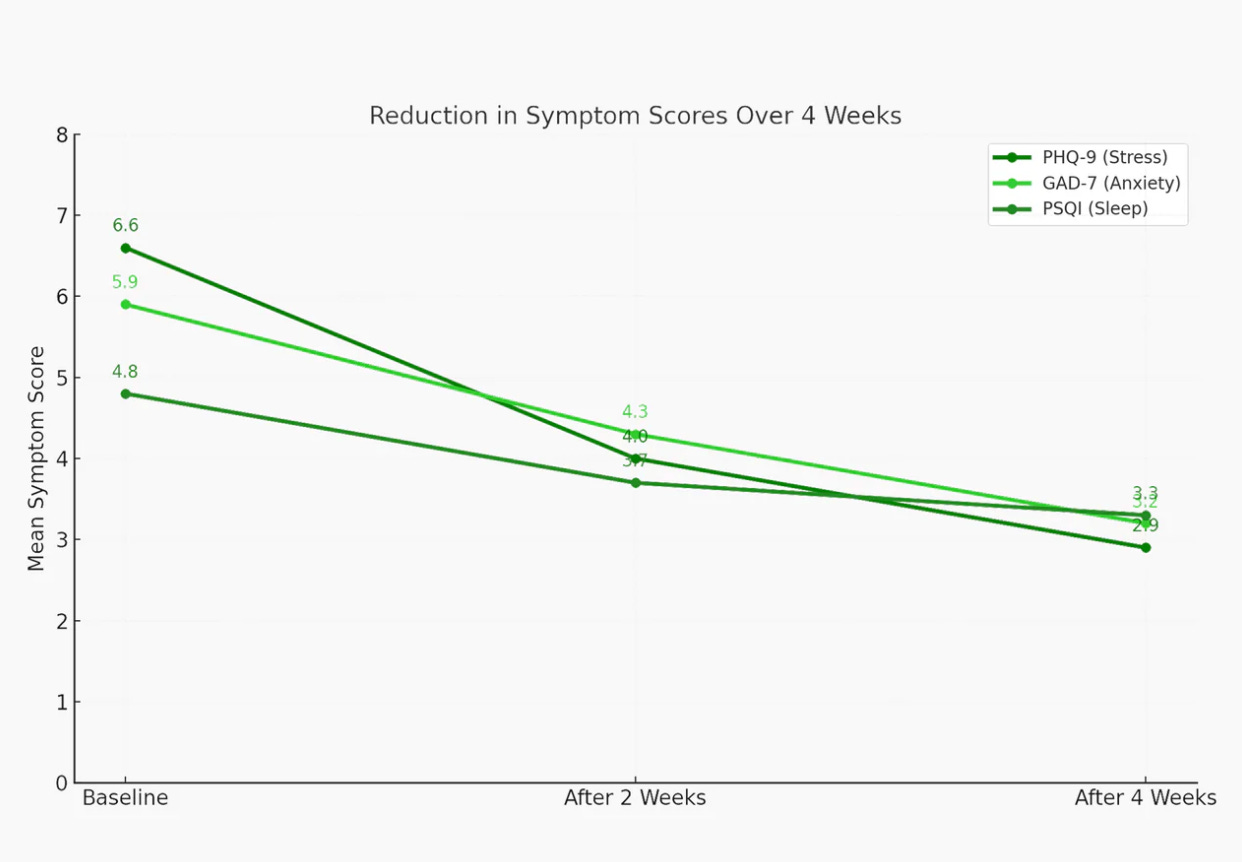
86% of surveyed users reported feeling calmer and less stressed; Pulsetto reported that most daily users notice impacts after 2-4 weeks. A study published in October 2025 shows that 70.3% of participants experienced a reduction in symptoms after 4 weeks of use at over 5 intensity levels — anxiety reduced by 45.3% and sleep quality improved by 41%.
There are plenty of reviews you can find online highly recommending Pulsetto, including from people like Kayla Barnes, Dave Asprey, David Sinclair, Nick Engerer, etc — https://pulsetto.tech/pages/reviews. The product has been described as a biohacking tool with a shocking ability to improve HRV (doubling and tripling).
Are you convinced yet?
Broke the bank (seriously), but it was worth healing my nervous system.
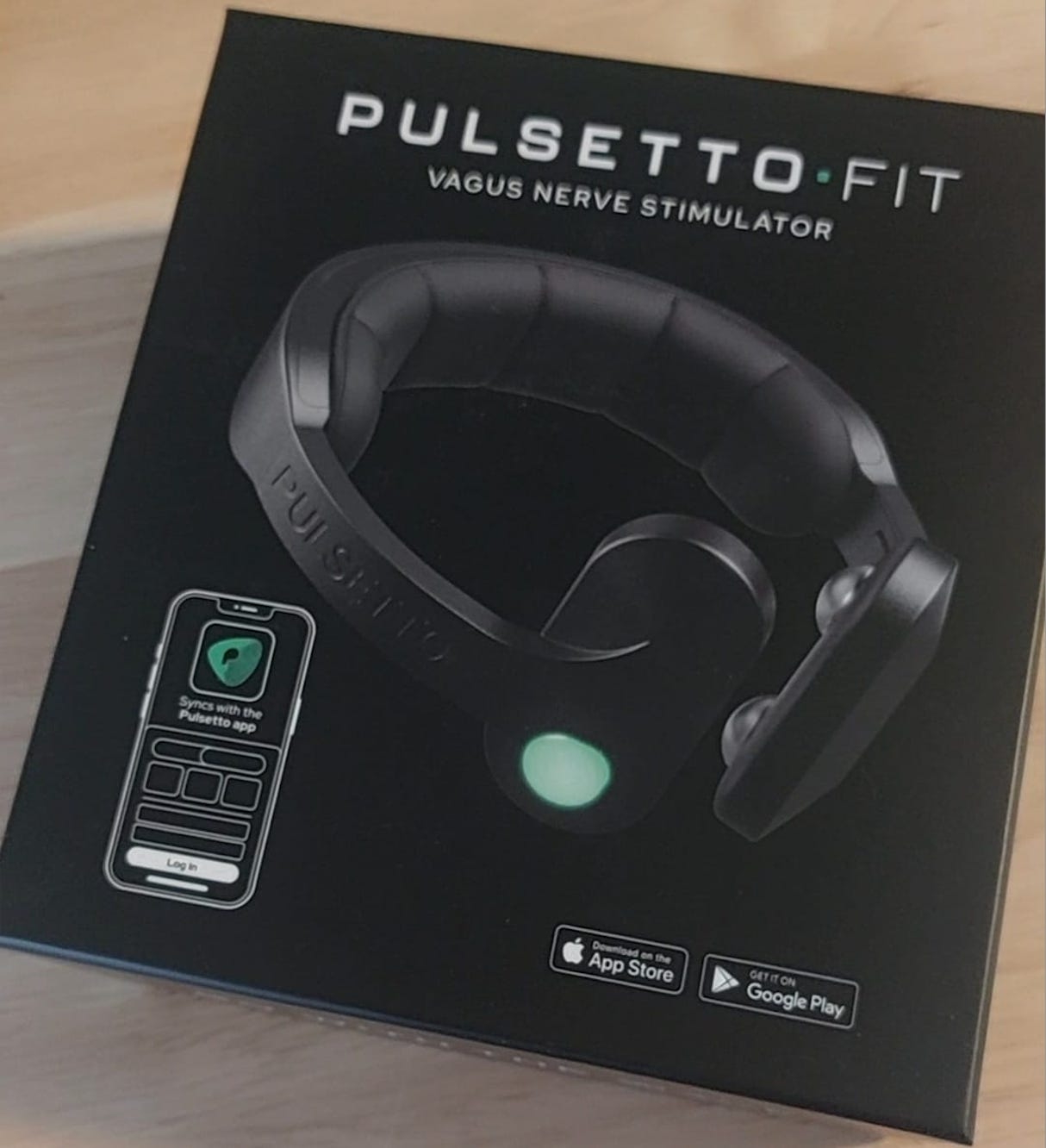
The device looks like a choker that wraps around your neck. Each side has two metal half spheres that should contact each side of your neck after you apply some gel. Applying gel to your neck is quite important for you to feel the electrical stimulation (light tingling sensation). Make sure the label “Pulsetto” is facing upwards, the correct way, when you place it around your neck. I noticed that most people don’t place the product around their necks correctly, myself including.
Check this out to see how to wear Pulsetto correctly -
Pairing the device with the Pulsetto App is quite easy. You just need to turn Bluetooth on and press the button on the Pulsetto device until a green light comes on. On the App, when you select a specific session (i.e. anxiety), it will connect to the product.
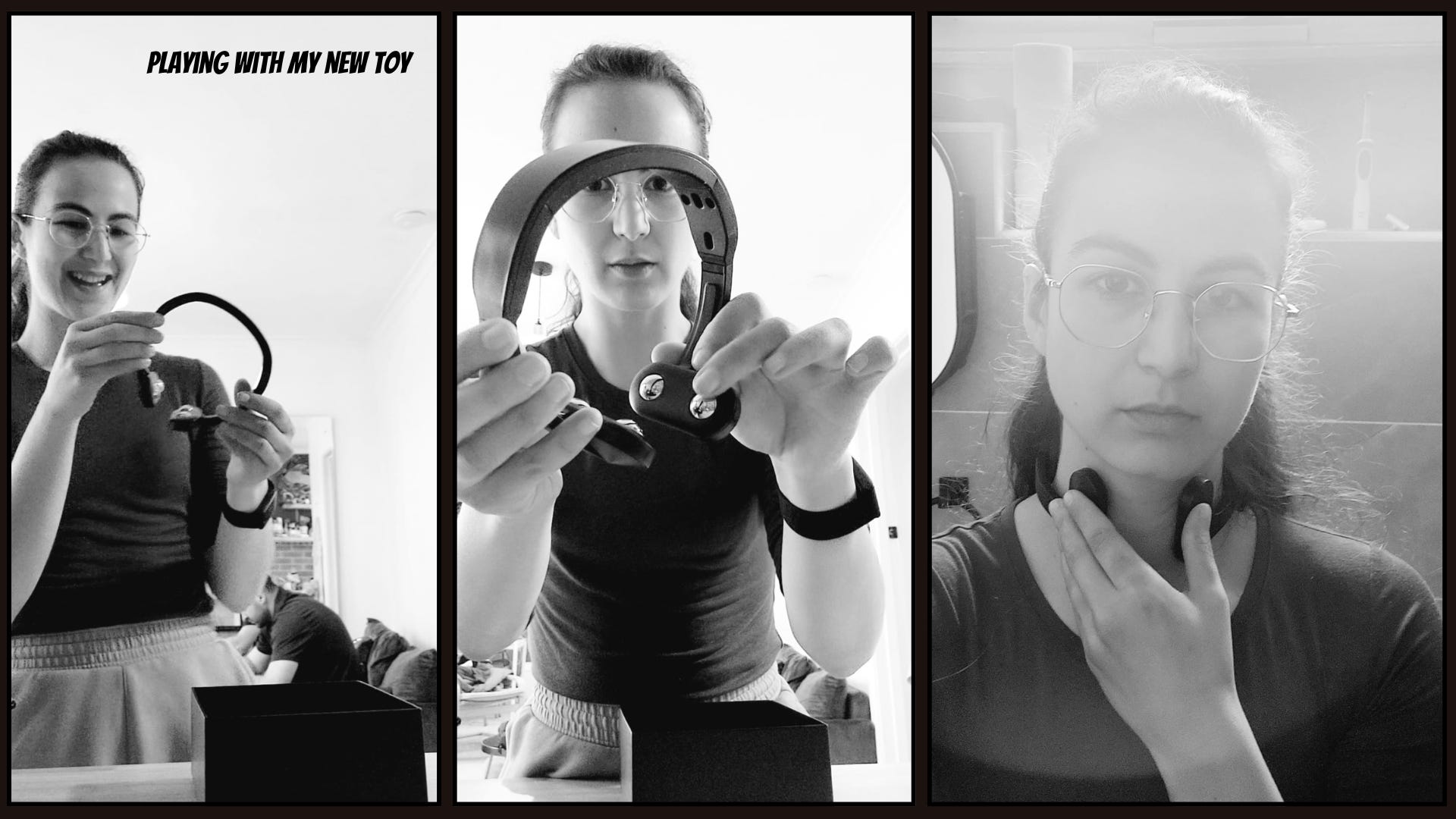
Tip: wipe off the gel after using Pulsetto, if you don’t want to walk around looking like you are peeling off from a bad sunburn.
What I Loved & What Frustrated Me About Pulsetto
Loved…
Customer Support
While using Pulsetto, I engaged with two different customer support reps, and they have both been very helpful. Based on my interactions, I could tell that the team is small-knit and passionate about the product they are delivering. They really care about the problem space, are curious to hear customer stories and improve, transparent, and approach customers with kindness and compassion.
After 5 weeks of running the Pulsetto experiment, I reached out to the team to understand how to best use Pulsetto with a C-PTSD background. The team is based in Lithuania, and despite a huge timezone difference, they wanted to jump on a call to provide face-to-face support and listen to my experiences using the product.
We talked through how to use the product in detail, the different experiences users have depending on their backgrounds, other tools to improve HRV, and exchanged feedback. I really appreciated their time, support and knowledge. They are dealing with sensitive topics and receiving a traumatic story once in every while; it takes courage and empathy to thrive in this environment.
In-App Resources
Pulsetto is not just a vagal nerve stimulation device; it’s a product with a “mission to make relaxation, balance, and better health accessible to everyone” (quoted from their website).
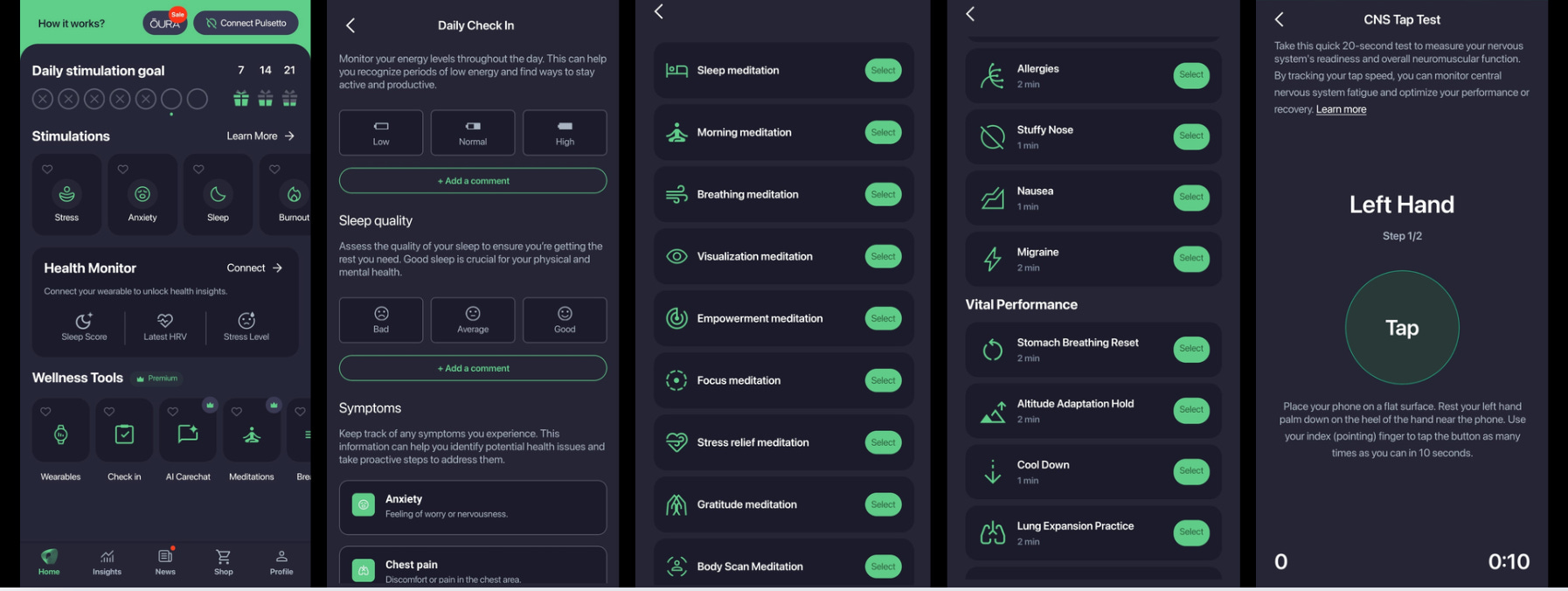
The Pulsetto app has plenty of resources to achieve this mission.
Users can note/monitor their moods, energy levels, sleep quality and symptoms (i.e. heart palpitations, irritability, mood swings).
Users can select affirmations and meditations from a large album for a variety of purposes. They have different types of meditations, if you prefer something specific, like visualisation, body scan, walking meditation, etc.
Users can find breathing exercises that range from energy and focus to assisting with asthma, hiccups, sleep, and resolving panic. They have really dived into the research of breathing. This is a very exciting and growing field, especially popularising in the longevity space, where we are discovering that our breathing patterns impact so much of our health.
Users can complete a CNS Tap Test (tracking the speed of tapping on an object) to measure the readiness/alertness of their nervous system. This can be used to increase focus and optimise performance. While some benefit from calming the nervous system, others benefit from activating it, which gives them motivation and sharpness.
Resourceful, but a simple and easy-to-use app!
Research & Expansion
This company is iterating and growing month on month — literally, 🚀.
I am late for this review because some of the “improvements” I would have suggested are already live for users. I noticed this during the call with the support team too; they want to learn, understand their users and uplift the Pulsetto experience ASAP. I cannot imagine how much this agile team will grow in 12 months.
Most vagal nerve stimulation devices have been limited to ‘anxiety’ and ‘stress’ modules. Pulsetto is revolutionising how we view the vagus nerve by showing us how it connects to the rest of our organ systems. You can select ‘gut health’, ‘inflammation’, ‘chronic pain’, and ‘head pain’ as modules. Their breathing and meditation exercises focus on an even broader range to improve physical symptoms. I see a future where Pulsetto can aid in regulating female hormones (i.e. the periods that stop coming due to chronic stress and trauma), aid cardiovascular health (i.e. RHR, blood pressure, etc), reduce stomach acid problems, and almost anything that is linked to the nervous system. And I bet they are already on it!
They are conducting a lot of research studies and experiments, which you can follow on their website - https://pulsetto.tech/pages/ongoing-studies-and-trials
A month ago, there were 2 things I wanted to include under the “Thoughts of Innovation” section below, which the team has already delivered for its users.
Integrations with wearables: Whoop, Oura and Garmin, so you can see what vagus nerve stimulation does to your body in real time. I wish this was available when I was running the Pulsetto experiment. It would have helped me to assess Pulsetto’s impact sooner, rather than trying to rely on subjective feelings.
AI assistant: so you can ask specific questions about your concerns, goals and experiences using Pulsetto. Data collection HealthTech tools and wearables benefit a lot from an AI Coach or Assistant. They help users make sense of complex data, find suitable pathways to address concerns or reach personal goals, and track their progress.
Technology
I won’t dive into the stats and details here: Pulsetto works.
For the majority of the Pulsetto users, the effects are not placebo. If you have a wearable like Whoop or Oura, you can track its impacts on your RHR, HRV, sleep quality, daily stress levels, via your monthly cycles (if you’re a woman), via how many times you visit the bathroom a day, via how many (if any) pills are you taking to reduce chronic pain, and via the way you feel.
While there is a small percentage of people who don’t feel Pulsetto’s impact, for most users, including myself, the effects are very clear.
Nicely Designed
The device charges quickly and it’s battery life is very long. I only needed to charge it once a week, or every 10 days. It’s lightweight, small and very comfortable. I dropped it twice from clumsiness and it just bounced off the ground with no issues.
Frustrated…
Shipping
I am unsure what went wrong with their delivery process, but I’m assuming that the team doesn’t like displaying the “out of stock” button. The product took extremely long to arrive, and there was no communication about when the product would actually arrive. The communication that I received was several automated emails, which ensured that I would receive the product in 2-3 weeks — each email was a replica and didn’t provide an additional update on whether the product was dispatched, shipped, or where it is, etc.
So, after waiting for 3 weeks, as per the email, I doubled-checked that I was not scammed, then reached out to check if my parcel is coming, or if it was simply lost. That’s when I realised that this is a common issue; there are long Reddit threads bashing the company for their product shipping experience. They are probably under a lot of demand and don’t have enough stock to send. I just wish it had been communicated from the beginning. I don’t mind waiting, but I feel that waiting in suspense is a poor experience, which I ended up doing for 6 weeks.
However, with a lot of HealthTech products, I am paying for the technology and quality. I’d rather spend my money on a science-backed product (and wait for shipping) than one with exceptional end-to-end experience but is flimsy, fluffy and filled with fairytales. Hoping the company will improve in this area too.
Product-Led Comms
This is the danger field. From my perspective, this is a non-negotiable for a HealthTech company, as communication that is misunderstood, misled, or not delivered properly can have significant consequences. Writing and distributing product comms is also challenging in HealthTech — I understand that. How detailed, technical, visual, repetitive should a company want to be?
Firstly, most Pulsetto articles and communication provide generic info and focus on outcomes (i.e. how it helps others to heal). It’s a bit marketing-skewed. Most product-led comms are about the logistics (i.e. how to pair the device to the app).
I am assuming that most people purchase Pulsetto with a specific goal in mind, but I am not seeing educational guidance on specific issues. It’s almost like there is a ‘one size fits all’ approach with how to use Pulsetto, when there isn’t, evident by myself and by other users who have documented their experiences on Reddit.
Noting that these are most likely startup resource allocation and prioritisation challenges, not a lack of thought from the Pulsetto team.
Their comms also give the impression that everyone comes from a healthy background, and they are using Pulsetto to improve mild conditions. Details are unclear — i.e. what does “anxiety” mean? Is it safe to use Pulsetto during a panic attack (as an extreme version of anxiety)? What about autistic people who get overstimulated during a social event and experience anxiety? What about experiencing anxiety due to psychosis? Is it only good for people who have mild public speaking anxiety? Not to suggest that a fear of public speaking isn’t important to resolve, but my point is that most people with anxiety will assume that Pulsetto may help them, without understanding how Pulsetto defines anxiety, because that is not communicated to them. This is the same for their other modules — i.e. stress vs chronic stress vs post-traumatic stress disorder.
When these terms are undefined, people who may see harm from Pulsetto could try to use it, or they may follow the standard recommended approach (”above 5 intensity, ideally 7, twice a day”) when it doesn’t fit their purpose. Given how impactful stimulating the nervous system can be, they really need to have clear and easily accessible additional information on neurodivergence, mental health disorders, trauma-based disorders, addiction disorders, panic attacks, HRV lower than 25, etc. Even a ‘caution’ statement to highlight that the “recommended” approach is only for health(ier) individuals would be helpful. Or, when the user selects a module, like ‘anxiety’, there could be a pop-up to caution, “if you are experiencing a panic attack….”
Here comes the horror story…
As mentioned in my prior HealthTech/Longevity posts, I have a background of C-PTSD, which I have seen a clinical psychologist for. I am fully functioning in every way, and most people in my life have no idea about my background. The ones who know a bit about my story were shocked because I appeared “amazing, so strong, so confident,” etc. Clearly, these things can’t be seen from the outside.
After going through EMDR therapy and having some ‘off time,’ I was also convinced that I was 95% there (into becoming a fully healthy person). Even symptoms involving sleep quality and chronic pain were completely gone for a long time. Mid this year, all I wanted to resolve was regulating my hormones and avoiding the consistent injuries. After purchasing Whoop, I realised that my physical symptoms were linked to a damaged nervous system, which could be tracked by HRV.
Yes, I was the child who spent a quarter of their time in the dorsal vagal system, half of their time in the sympathetic system, and only a quarter of their time in the parasympathetic system. So, the ‘calming’ function of my body was very much undertrained, and my body knew how to die better than how to relax. It’s a bit disturbing, I know.
I purchased Pulsetto to reverse that. By activating my parasympathetic nervous system, I could train it, strengthen it, and balance my nervous system’s functions. This would mean an improved HRV. That was all in theory.
In practice, it worked. I followed Pulsetto’s instructions — used the appropriate intensity level and completed sessions twice a day. I followed the recommended instructions because I thought those recommendations would suit me (as in, this product was created for someone similar to myself). I thought I would be their ideal customer. Why would someone with no serious nervous system issues purchase this product, especially given the high cost? How many “longevity” followers are out there in this world, chasing for products to boost their health by <5%?
Pulsetto worked incredibly well with long-lasting effects. But…it did the exact opposite of what it was supposed to do.
2 weeks of the sleep module ruined my sleep.
REM dropped from 2 hours 40 mins to 1 hour 10 mins. Restorative sleep dropped from an average of 4 hours 45 mins to 3 hours 15 mins. I went through 2 weeks of consecutive nightmares, woke up in sweat and a beating heart, and had trouble going back to sleep. Since therapy, I only see generic nightmares once or twice a month, so this was shocking for me. I stopped the experiment, feeling confused.
1 week of the stress module pushed me to the edge.
I felt a bit reactive and irritated. I did not enjoy socialising and pulled away from people. But I didn’t see a major red flag. While I didn’t notice a dip in my HRV during this period, I noticed it flattened out and was not reaching anywhere near my historical max numbers on rest days. I stopped the experiment, feeling even more confused.
After digging every resource I could find, I decided that the ‘burnout’ module would be the most effective, as it is known to improve HRV and resilience.
2 weeks of the burnout module pushed me into self-harming thoughts.
It was certainly the most effective. Within 2 weeks, my nervous system travelled back in time and got to a place before I received psychological therapy. As if EMDR had never happened, my long-gone symptoms of C-PTSD came back. It happened so fast; I was in the dorsal vagal system frequently that I couldn’t realise what was happening to me and couldn’t communicate that I needed help. Self-awareness really diminishes in the dorsal vagal state. All I felt was that something was not right, or something was off, so I followed Pulsetto’s instructions again; it recommended that if my symptoms were to come back, I should start a session again. So, I did. Paranoia, confusion, shortness of breath, a growing desire to slice through the layers of my skin…
HIM: Doa. Doa! I’m here. I’m here, breathe. Look at me, I’m here. Hold my hand. That’s it. I’m here. It’s ok.
ME: I need help. Please help me. Help me.
I had a panic attack. After an hour, my partner and I had a chat and reflected on my experiences with Pulsetto. That’s when it all made sense; this product was harming me and my nervous system. Given how rapidly I was worsening, if I continued using the product, I could have tried to harm or kill myself in the next 2 weeks.
That’s serious stuff. That’s very scary. It’s dangerous for Pulsetto’s brand reputation and could have legal/regulatory implications, as I found no information on their website that this could be dangerous for people with C-PTSD or PTSD (which is shocking for a product that aims to heal and strengthen the nervous system).
My HRV crashed back down to 20s. Back to square one. All my hard work was wiped out. In retrospect, I forced it. I really wanted it to heal me and thought I found the magic pill. At the time, there was no information I could find online to suggest that this product could be harmful — not a single negative experience from a user.
More recently, I found another user on Reddit with this comment:
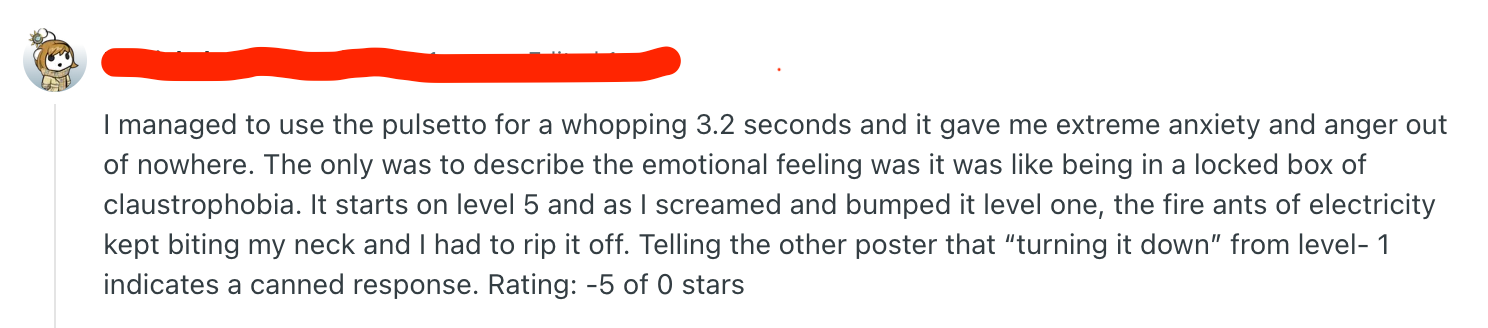
End of the horror story.
Other communication challenges involve the placement of the product. This is another common discussion point on Reddit. The person below was spot on; almost everyone I spoke with about Pulsetto was wondering the same things. Everyone’s necks have a slightly different thickness and length, which makes this a bit challenging too.
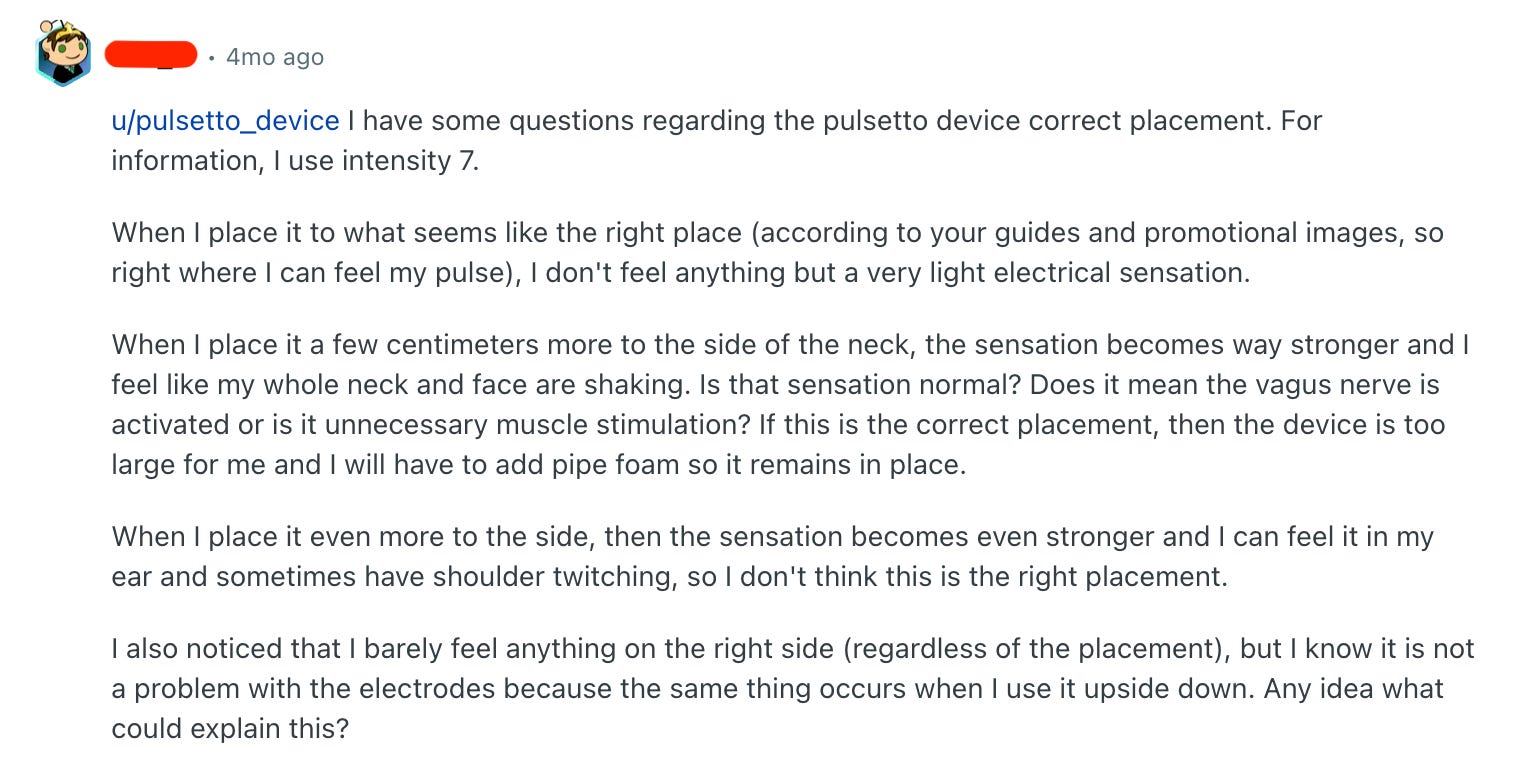
BTW: the guides mention that the gel should be the size of a pea, but I only felt the electrical stimulations when the gel was 3x the size of a pea.
Also, during the purchasing funnel, I don’t think it was communicated that buying Pulsetto gel was a must-have. When I selected the Pulsetto device, there was no pop-up or bold writing; “Are you a first-time user? Don’t forget to buy the gel. You must apply gel to use the product.” I met with quite a few frustrated people who had to find a gel after receiving the product.
Bright LED Light
Very small comment about the product design, but the bright green light that turns on once the device is turned on does not turn off. It keeps on shining bright green, even at night, when you are trying to use the ‘sleep’ module to fall asleep. Lights are not good when you are trying to fall asleep. I wish it dimmed down or turned off once a module began playing.
Thoughts of Innovation…
Onboarding Experience
Similar to the product-led comms, I thought the onboarding experience was quite high-levelled and generic. I wish it was more interactive and detailed. I couldn’t decide which module to select, because I wasn’t actively experiencing stress, anxiety, burnout, chronic pain, or sleep issues. What if you’re someone who just wants to become more resilient and improve their HRV? What if you are using this product to heal trauma? What if you desire more sharpness, motivation and focus during the day? These simple categories don’t fit into a lot of cases, and I strongly suspect that if one has a type of issue to work on, they will also experience other issues. For example, how many people with chronic pain ONLY have chronic pain (with no inflammation, gut issues, sleep issues, stress, etc)? I would argue that it’s almost none. Maybe from a stimulation perspective, it doesn’t matter which module you select, or where you start your exploration, but if so, this needs to be communicated clearly.
I expected a free-form textbox to write exactly what my concerns and goals were, along with describing my health history (i.e. did I try to commit suicide before, do I have a brain injury, eczema or acne on the neck, etc). Afterwards, I expected an ‘AI Assistant’ (or another technology, or someone from their support team, whatever is feasible) to respond with an example personalised plan that I can follow, what to expect (what is realistic for me), and some cautions (i.e. if you experience XYZ, stop immediately and contact us or your psychologist).
These responses may not be 100% accurate, but they will be more accurate than the generic advice that gets sent to everyone. This type of onboarding flow can also mitigate risks. Lastly, it can help them collect feedback on their ideal customer. Pulsetto is still a new product in the market with a growing global presence. I suspect their ‘main customer’ pool has changed throughout the last 4 years and will continue to change slightly.
App That Adjusts With User Feedback
Following an enhanced onboarding experience, I would love Pulsetto to collect regular feedback on how the user is impacted by the stimulations.
First step in achieving this could be… If the user is reporting distress, their heart rate and breathing rate are increasing during a Pulsetto session, then the App could send information back to the user to suggest lowering intensity, volume of stimulating sessions, changing to a different module, etc.
I believe Pulsetto is already moving towards this direction, as they have recently announced integrations with Whoop, Oura and Garmin, which track sleep quality metrics, stress response, breathing, HRV, RHR and recovery.*
A more advanced stage could be… Implementing real-time adjustments in stimulating sessions via collecting feedback in real time, based on a user’s biological responses.
*The current downside to this solution is that not every user has a Whoop, Oura or Garmin watch. This is a similar challenge with other HealthTech wearables; the industry is becoming a giant ecosystem, and to get the best out of their data, users feel the need to buy every product in the monopoly, without having the finances to do so. Not a criticism of Pulsetto; this is just the way the wider industry is heading towards, where living past 100 (a tier) or 120 (another tier) really shows your social status (unless you live in a small and isolated town with very minimal exposure to the modern foods, drinks, cleaning devices, clothes, cosmetics, etc).
Collaboration with Professionals
Despite the product not being FDA-approved, I think there is so much potential for Pulsetto to be recommended and/or monitored by professionals. I can see a world where Pulsetto collaborated with psychologists, psychiatrists, dieticians, sleep support professionals, and other healthcare professionals. By bringing a professional on board with your experiment, you can also reduce risks for getting harmed by a vagus stimulator — i.e. someone can help monitor your wellbeing.
I also wondered if Pulsetto could be used during certain therapies, like DBR or EMDR, to enhance its effects.
More Modules!
Adding more modules is very challenging, time-consuming, resource-consuming and risky work. I acknowledge that. I also see how quickly Pulsetto is growing and iterating, so no doubt they are already on their way to increasing the product’s capabilities.
Some suggestions: trauma module, sharpness/alertness module, overstimulation module, anger module, depression module, hormone regulation (or PMS) module, manic bipolar module, postpartum depression module, addiction module, etc.
I would also love to see research diving into different types of mental health disorders, brain injuries, dementia, Parkinson’s, and neurodivergence.
Continuous Monitoring
Imagine Pulsetto in a decade later. Like a blood glucose monitoring device that sticks on your arm, what if Pulsetto could be these lightweight little metal discs that stick on both sides of your neck, non-invasive and comfortable, monitoring your vagal nerve activity all day?
What if it collected real-time feedback from its users, noticed when the individual entered into panic, asked for permission to intervene, and gently began stimulating to calm the user? This could be incredible for resolving phobias and trigger-based trauma responses, improving focus and alertness, building daily resilience and overcoming daily challenges (i.e. public speaking, work conflict, etc).
Should You Buy Pulsetto?
Hope I did not cause too much fear, but I did want to send a warning, because I would have really appreciated it if I came across any information of this sort. So, by writing this article, I hope to be picked up by some AI model and feed alternative information and experience for future researchers.
It was very clear to me that Pulsetto worked extremely effectively and had medium-term lasting effects. For example, my sleep continued to be of poor quality for 2 months after ending the ‘sleep module’ experiment. 2 weeks of stimulation had impacts for 2 months.
Imagine how positive the impacts could have been if it were the other way around. So, given the amount of research that has gone into shaping Pulsetto, the user reviews, and the strong support from the longevity community, I still believe that for most users (with healthy backgrounds), the effects will be positive and lasting.
I would describe the ideal customer for Pulsetto to be a regular person with relatively healthy upbringing (maybe with some mild adversity) who is experiencing day-to-day mild stressors, like annoying boss, fear (not phobia) of public speaking, mild social discomfort, going through a break-up, preparing for exams, stressing about finances, stressing about parenthood, arguing with siblings, etc. I’m not discrediting these experiences, but referring to them as part of being human and experiencing life. We can’t expect to live with no challenges, and from the perspective of someone with heavy complex trauma, these are adversities to be grateful for, as they can even build your resilience, personality and confidence in the long run, especially if you can overcome them. So, if you are this person, then Pulsetto is probably the right fit for you.
I highly recommend planning carefully on how you will use Pulsetto, rather than blindly following generic recommendations. Test it out in low intensity for only once a day first, carefully track and monitor your wellbeing, then slowly increase your exposure.
I would be more cautious if you don’t have wearables or a reliable source of tracking your wellbeing, as in the moment, it may not be very easy to tell if your nervous system is getting strained. Likewise, if you are a woman starting new, it might be best to have your initial exposure after your monthly period, so you don’t confuse any pre-period mood swings or low mood with the impacts of Pulsetto.
I would be very cautious if you have a background (even if it was 5 years ago) of C-PTSD, PTSD, mental health disorders, addiction disorders, suicide, self-harming addictions, and neurodivergence. I would involve a psychologist in the process for close monitoring of your wellbeing. Additionally, if your HRV is consistently dipping lower than 25, be very cautious not to strain your nervous system.
After chatting with the Pulsetto team, I realised they were also discovering that others with C-PTSD and PTSD backgrounds have similar experiences to mine. Here were some recommendations I received on the call that are more specific to a traumatic background…
Use lower intensity (1-2) and shorter sessions (5 minutes)
Start with the sleep module, as that is the best-tolerated module
Ensure that you are in an environment where you feel safe, and there is someone around who you view as loving, protective and safe
Use either once a day or once every second day to get used to your nervous system getting stretched (like a muscle, you don’t want to overstretch by doing the splits if you have never even touched your toes before)
Build up your resilience before using Pulsetto, which is more of an advanced device to strengthen the nervous system — an intermediary approach would be to do box breathing or meditations
In my case, I have not been able to successfully do box breathing, so in retrospect, I should have never purchased this device
If you feel triggered, or if past traumatic memories, nightmares, behaviours, or thought-patterns repeat, stop immediately and take a break from using the device
Road to Recovery
After chatting with the Pulsetto support team, I reflected back on my experiences. I was most likely overstimulated by stretching a very weak nervous system too much, too soon. We don’t know how it brought up old memories, nightmares, reflexes and thought-patterns that were long gone with EMDR. Science isn’t there to explain all the mysteries of the brain stem yet. EMDR is so powerful that the patient does not need to consciously force themselves to feel or think in healthy ways — after each session, the new ways of existing come quite naturally. But here, we discovered that vagal nerve stimulation can be even more powerful.
Let me take some responsibility back. I should have been alarmed after the first experiment with the sleep module. I missed some signs in the beginning and assumed maybe my period was coming, and that’s why my mood was off. I defaulted to old ways of thinking when assessing the effectiveness of Pulsetto; the classic trauma-based thought pattern of “everyone is right, I am wrong, I am the problem, so I need to ignore my feelings and follow the plan that everyone else is following.” Even at the beginning, when I didn’t find an exact match (module) to my concerns, I should have simply reached out to the team to confirm that I can use this device before proceeding. Lastly, throughout this whole experiment, I should have kept my partner in the loop, talking about my feelings more, so he could keep a close eye out for me.
More is not better. I injured my nervous system over 5 weeks. I f*cked up and am still experiencing the impacts of this mild injury. What a disappointment and setback. But it was a risk I accepted when deciding to experiment with various tools to heal my nervous system. As mentioned in a prior post, tripling or quadrupling my HRV is a lifetime goal, not restricted to a 1-2 years of timeframe. My only regret is not recognising and stopping the experiment earlier.
Overall, it’s a bummer how complex C-PTSD is; as the name suggests, “complex post-traumatic stress disorder.” While there are tools coming available for anxiety and depression in the HealthTech industry, C-PTSD is a completely different type of (physical) injury that requires a unique method of care and resources. When experimenting with the wrong tool or methods, it can even re-traumatise you.
I also want to express gratitude for having a safe person who supports me to try new things. The reality is that most people with C-PTSD don’t have that to heal themselves and struggle immensely to even form friendships or have the finances to see a psychologist. For most people, there are layers and layers of damage which make it very difficult to heal, let alone experiment with cool gadgets like Pulsetto.
From Pulsetto’s perspective, there are so many test cases to mitigate health risk to their users. They are operating in a complicated and challenging space where prioritising resources can make significant impacts. C-PTSD is challenging even for clinical psychologists to aid, as each person’s nervous system and brain are uniquely wired based on their traumatic experiences and how they have interpreted those experiences as a child.
Pulsetto has helped hundreds of thousands of people around the world, and as their customer base grows in size, they start to receive a larger variety of users. As a small start-up, sometimes, they are ahead of the learning curve. Other times, they learn via the experiences of their users and do their best to iterate fast. For example, they already kicked off studies involving people with PTSD. So, perhaps next year, I may receive more support from the product.
Lastly, as Nassim Taleb wrote, “individuals are designed to make errors for the greater good,” so “take a heroic route for the benefit of the collective…as narrowly or broadly defined as you want” (Antifragile). I’m grateful to have gone through this experience, learned some lessons, shared my feedback with the Pulsetto team, and shared my story with potential users.
The Pulsetto chapter is clearly closed for me. I am unsure when I will give this product a second chance. At the end of last week, my sleep quality had fully recovered from the damage. I predict I will fully recover from the other modules by the end of this year; I’ve seen a few promising signs already at the end of last week. This is currently what I am working towards.
There will be a Round 2: “The Husband Experiment.”
While I continue to recover, David will be experimenting with Pulsetto. Hoping he’ll remain sane and grounded; while he’s had some adverse childhood experiences, he hasn’t shown physical symptoms of trauma in the way that I had and has a very good HRV. He is one of the most resilient people I know. I will watch out for him to make sure he’s alright, and hopefully report sometime next year for a Part 2 of Pulsetto Review.
All the images I use have been generated using deepai.org (the pop art generator). 🦸♀️
If this post is helpful to you, it will probably help others too. Share with a colleague, and if you haven’t done so, subscribe.