

You are discovering that you may be into product management and want to learn more about it. You are excited to make the transition (or grab your first role) in product, but don’t know how. The more you dig in, the more you realise that it’s challenging to enter this world.
When I was looking to find my first product role, I described my situation in a LinkedIn post as, “there is a mysterious group called the ‘product managers’ who only seem to hire other product managers” [within the same bubble]. This bubble is small and elite, especially if you exclude all the “product managers” who work for banks, telcos, other non-tech businesses, and who got thrown this title one strange morning after some senior leader received advice from an external consultant that companies with “product manager” roles are growing x% faster than companies that don’t.
You are in the right place, folks. Use this page as a guide, inspiration, checklist, knowledge hub, or in any way that serves your purpose. Every person’s story and pathway will differ, so take on what agrees with you and leave the rest to others.
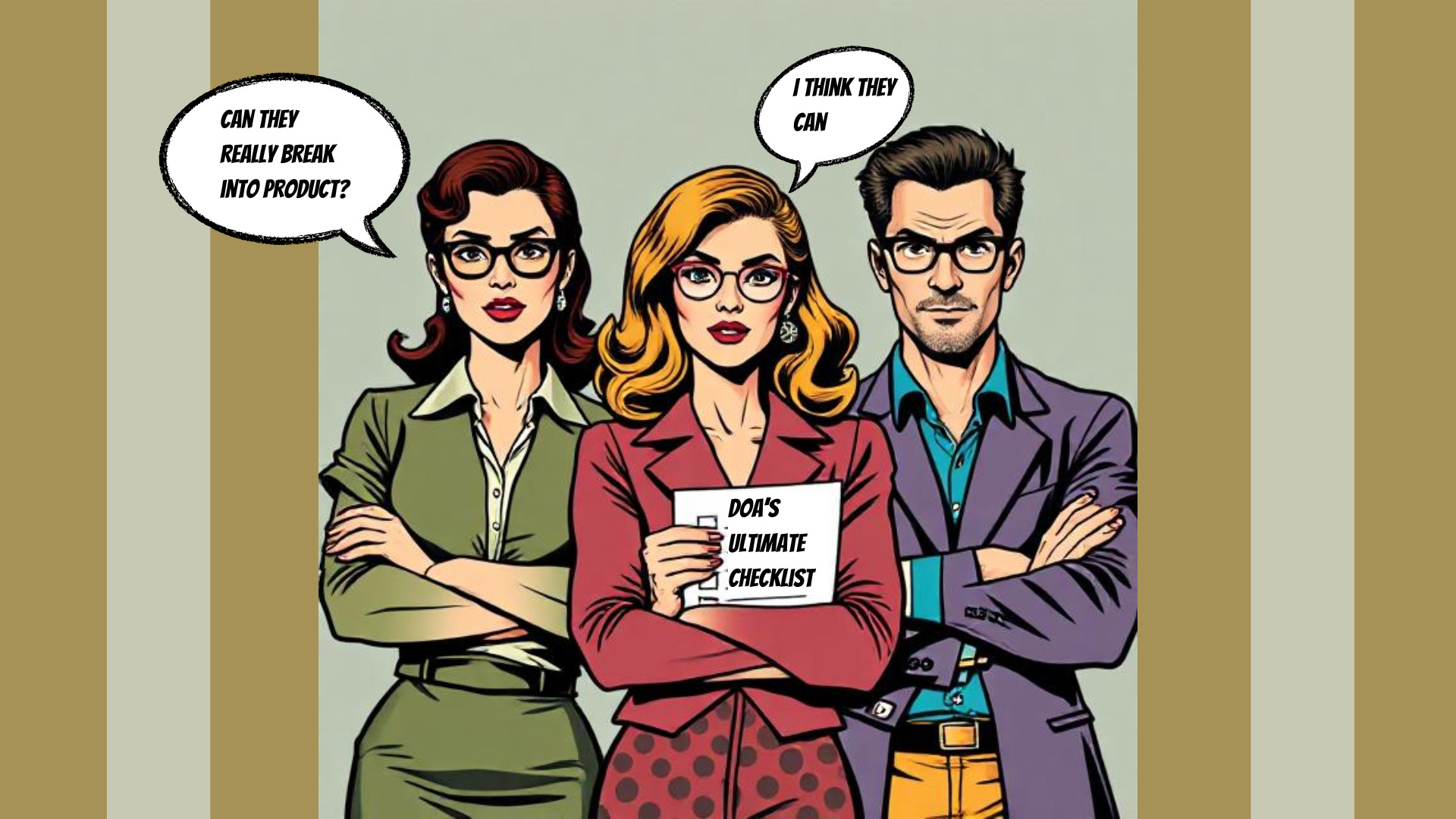
Below is a checklist that I wrote while chatting with other product managers to transition quickly and smoothly into my first role. Currently, it’s also a guide for me to expand on, one point at a time, in the form of a new article. Soon, you will be able to click on each link and discover more.
Note: this checklist is not necessarily a linear journey for you to follow. During my career transition, I simply followed my curiosity; I began from a random point, completed some ‘milestones’ in parallel, and skipped certain parts of my learning. Pick what resonates with you, move at the speed that you are comfortable with, and follow an order that motivates you. Each person’s career journey is unique, so explore, experiment, and be yourself.
Let’s get you into the cool club 🔥 🕶️
[ ] Is Product Management right for me? Be certain and have a strong reason (”Why do you want to be a Product Manager?”), even if you change your mind down the track.
Understand what this role is in theory, how it plays out in real life, and decide if the skills, lifestyle, ways of thinking, interests and personality are compatible with you. Yes, career roles have ‘personalities’ (in product, they call it “the product culture”).
You may choose to do this via talking with other PMs, listening to podcasts, watching YouTube videos, reading books, or another way. I recommend trying different ways to gain a deeper, more holistic and objective view. Here is a starter kit to check out.
[ ] Identify your current skills, superpowers, and gaps, in relation to Product Management.
Chances are that there is a lot you don’t know about. That’s perfectly normal! This exercise is for developing self-awareness and curiosity. When building your resume, going through interviews and landing your first role, I recommend drilling down and leveraging your existing strengths.
[ ] Take a course, especially if you don’t come from a “technical background.”
This does not necessarily have to be a “beginner’s product manager” course. It could be coding fundamentals, a 'startup idea building bootcamp,' an AI course, etc. Choose something that you are curious to learn more about and that you have a skill or knowledge gap in.
Do I think this is a ‘must have’ for you to apply for jobs and land your first PM role? No. Do I think that you should come from a “technical background” to apply for PM roles? No (check out my real thoughts on this topic here). But some people do. When it is already quite challenging to transition into a product role, you may want to do anything you can to make it easier for yourself.
[ ] Gain your first product experience. This is easier than you think.
You could volunteer to help the product function in the company you are currently working for. You could volunteer in a company’s product team (easier with startups). You may already have an entrepreneurial background. These are just some examples.
[ ] Learn the language of ‘product’ (and the art of blending in).
The first goal is for you to pick up the pattern of thought and speech of other PMs. What are the common words used by product people to describe their roles and goals? What are the common themes that every PM seems to complain about? You could read LinkedIn posts from other Product Managers, listen to podcasts, panels or interviews.
Your second goal is to discover or build a network of product professionals. You could attend tech Meetup groups, join a community like Startmate, or find another creative way to meet others.
[ ] Find your product mentor or bestie. This person needs to be established in product, who is available to chat at some frequency (whether it’s weekly, fortnightly, or monthly), who can share their experience with you, provide advice, challenge your thoughts, and follow your journey of landing your first PM role (and growing in it).
It’s ok (and even recommended) to change your mentor after a certain period (maybe a few years, or after you reach a certain milestone in your career). It’s even better if you can find a small team of supporters or advisors (for gaining a variety of perspectives).
[ ] Craft your ‘product’ resume that demonstrates your ‘product’ experience, even if you don’t formally have a product title in your prior/current role. Completing the previous boxes will really help with this step.
[ ] Start applying for product roles and learn the art of standing out as a ‘potential’, rather than ‘an experienced professional.’
Also, figure out a strategy for your first few years of product management. Chances are that you won’t land your ‘dream role’, or find your ‘dream team’, or product, or industry — something (or more likely, a few things) will lack. So it’s best for you to list/rank your values and priorities when searching for a role, and mentally plan your next move if you land a ‘meh’ job/role.
[ ] Go through product interviews and learn the art of leaving an impact without having the necessary experience (as outlined by the job description).
There is a lot to cover in here!
What’s next?
As I grow in my role, you can expect a “how to grow in product” version of this page. Who knows when that would be? Let’s take this one step at a time (or one win at a time).
Those who know me from my LinkedIn posts are aware that my door is open to aspiring PMs and experienced PMs who want to chat more, as long as you come prepared (just please don’t DM me with that generic one-sentence enquiry, “hey, can we chat, I need a role”).
I feel really happy when I see others succeed and progress, so happy to help/connect when I can.